The Dinner Decision Fatigue Mistake That Has Nothing to Do With Cooking Skill
Quick Answer: Deciding what’s for dinner typically happens at the end of the day, when decision-making capacity is already depleted from work and other daily choices - this timing, not a lack of cooking skill or planning ability, is the main reason dinner decisions feel disproportionately hard. Moving the actual decision (not necessarily the cooking) to an earlier point in the day, when mental capacity is higher, fixes most of the friction.
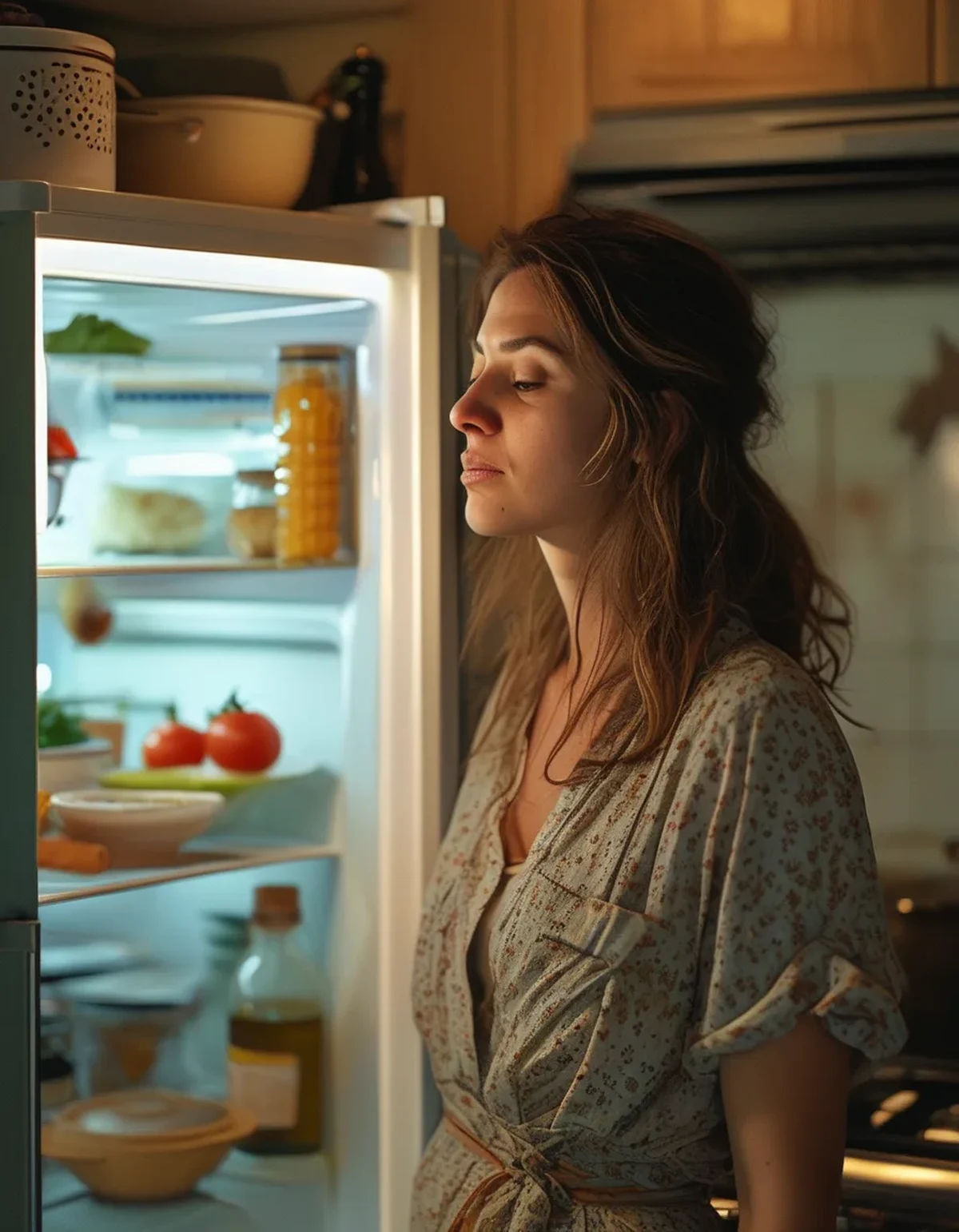
It’s not that dinner is a genuinely hard decision - it’s that by the time you’re making it, your brain has already spent its best decision-making capacity on everything else the day required.

Why does dinner decision-making feel so much harder than it should?
Decision fatigue accumulates across a day - by early evening, after work decisions, parenting decisions, and countless small daily choices, the mental resource needed for a fresh, thoughtful decision is measurably depleted, according to how decision fatigue generally operates across decision-heavy days. Dinner just happens to land at the worst possible point in that daily depletion curve for most people.
This explains why the exact same decision - choosing between three or four familiar dinner options - can feel effortless at 10am and genuinely exhausting at 5:30pm, even though the decision itself hasn’t changed in difficulty at all.
What’s the actual fix, if the timing itself is the problem?
Making the dinner decision earlier in the day - during a morning coffee, a lunch break, or the night before - moves the decision to a point when mental capacity is higher, even if the actual cooking still happens at the usual time. This separates the depleting part (deciding) from the less mentally taxing part (executing a plan you already made).
A simple weekly rotation or short list decided once, rather than a fresh decision every single day, reduces the number of individual dinner decisions from seven per week to essentially one, which is a far smaller total decision-fatigue cost even though the same amount of cooking still happens.
5 Mistakes That Make Dinner Decisions Harder Than Necessary
1. Deciding dinner while already hungry, which research on decision-making suggests can bias choices toward less healthy or more impulsive options, adding another layer of difficulty beyond simple fatigue. 2. Trying to decide from unlimited options (“what do you want, anything”) rather than a pre-narrowed shortlist, which requires far more decision-making effort than choosing from 3-4 options. 3. Making the decision at the same depleted time every single day, rather than shifting it earlier as a deliberate habit change. 4. Not accounting for how tired a specific day was when planning, defaulting to the same decision-heavy process regardless of how draining that particular day happened to be. 5. Treating every dinner as needing a fresh, creative decision, when a reasonable rotation of repeated favorites removes most of the actual decision load.
Does this decision-fatigue fix work the same way for people cooking for a family versus just themselves?
The core mechanism is the same, though family cooking often adds additional decision layers (accommodating different preferences, kids’ pickiness) on top of the base fatigue problem, making early decision-making arguably even more valuable for family dinners than solo ones.
A shared family decision made once a week (a simple written or shared-note rotation) removes the need to renegotiate preferences fresh every single evening, which compounds the decision-fatigue benefit beyond what a single person deciding for themselves would experience.
FAQ: Dinner Decision Fatigue Questions, Answered
Does meal planning apps or services actually help with this specific problem?
They can, primarily by moving the decision to whenever you interact with the app (often earlier in the day or week) rather than eliminating decision-making entirely - the earlier-timing principle is what’s actually doing the work.
Is it bad to eat the same rotation of dinners repeatedly to avoid this fatigue?
Not inherently - a reasonable rotation of several liked meals is a legitimate, sustainable strategy specifically because it minimizes decision fatigue, not a sign of insufficient effort or creativity.
What if my schedule is too unpredictable to decide dinner earlier in the day?
Even a rough shortlist of 2-3 realistic options decided earlier, rather than a single fixed choice, still reduces decision load significantly compared to a completely open-ended decision made at the most depleted point of the day.
TL;DR:
- Dinner decisions feel hard mainly due to timing - they land at the most decision-fatigued point of the day
- Moving the actual decision earlier, while cooking stays at the usual time, reduces most of the friction
- A weekly rotation or shortlist cuts seven daily decisions down to roughly one
- Family cooking adds extra decision layers, making early planning even more valuable
If dinner decisions consistently feel harder than they should, it’s very likely a timing problem, not a cooking or planning skill problem.
Keep Reading
This article is for general informational purposes only and is not medical advice. Always consult a qualified health professional for guidance specific to you.