How to Batch Cook Easy Dinners for a Full Week Without Getting Sick of Them
Quick Answer: The key to sustainable batch cooking is preparing a few flexible base components (a protein, a grain, a roasted vegetable) separately rather than five identical fully-assembled meals, then combining them differently each night with different sauces or seasonings — this avoids the exact-same-meal fatigue that causes most batch-cooking attempts to stall out by day three.
Batch cooking the same casserole five times is efficient on paper, but it’s also the fastest route to abandoning the habit entirely.
Why does the base-components approach work better than full-meal batching?
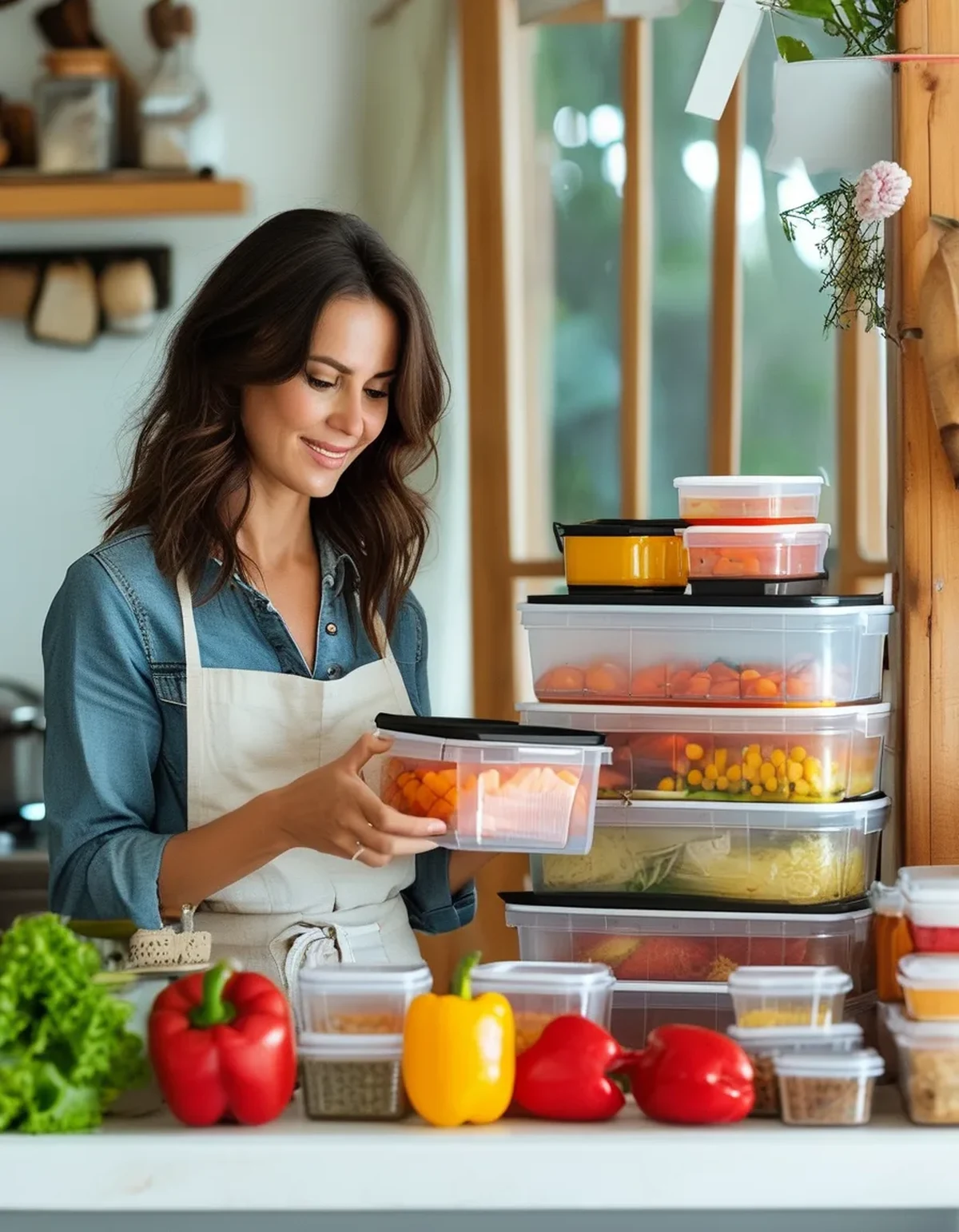
Cooking components separately (a protein, a starch, a vegetable) instead of five identical assembled dishes creates variety without extra cooking time — the same roasted chicken can become a grain bowl on Monday, tacos on Wednesday, and a salad topper on Friday just by changing the sauce or side.
How many components should a realistic weekly batch include?
One or two proteins, one grain or starch, and one or two vegetables is usually enough to build 4-5 varied dinners. Adding more components increases prep time without proportionally increasing variety, since the sauces and seasonings are what really drive the sense of a different meal.

Does batch cooking actually save meaningful time compared to cooking nightly?
Yes, mainly by consolidating cleanup and active cooking time into one or two sessions rather than every night — the components themselves take roughly the same total cooking time, but batching removes the daily decision fatigue and dish-washing that adds up over a week.
5 Mistakes People Make Batch Cooking Dinners
1. Batching five identical fully-assembled meals instead of flexible components. 2. Not planning different sauces or seasonings in advance, leading to bland repetition. 3. Overestimating how much variety leftovers alone provide. 4. Skipping labeling, leading to food waste from forgotten containers. **5. Batch cooking vegetables that don’t reheat well (like leafy greens), leading to soggy, unappetizing sides by midweek.
FAQ: Batch Cooking Dinner Questions, Answered
How long do batch-cooked components typically stay good in the fridge?
Most cooked proteins and grains stay good for 3-4 days refrigerated; if the full week is the goal, freezing half the batch partway through and thawing later extends the usable window without sacrificing freshness.
Is batch cooking worth it for someone who dislikes leftovers on principle?
The component method helps here specifically, since meals built from base components taste and look different enough each night that it doesn’t feel like eating literal leftovers, even though the prep happened once.
Does batch cooking work for households with different tastes or dietary needs?
Yes — batching separate components (rather than one fixed dish) makes it easier for each person to assemble their own combination, which handles different preferences better than a single batched casserole would.
TL;DR:
- Batch cooking flexible base components beats batching identical full meals for avoiding fatigue
- One or two proteins, one grain, and a vegetable covers most of a week’s variety
- Different sauces and seasonings are what actually create the sense of variety
- The component method also handles different household tastes better than one fixed dish
Batch cook the building blocks, not the finished meal, and a week of dinners stops feeling repetitive.
Keep Reading
This article is for general informational purposes only and is not medical advice. Always consult a qualified health professional for guidance specific to you.