Five Dinners From the Pantry When the Fridge Is Genuinely Empty
Quick Answer: A pantry with about twelve items can produce a genuinely good dinner with nothing fresh in the house. The items that do the most work are tinned tomatoes, tinned beans, tinned fish, pasta or rice, stock, garlic, onions, and one acid — lemon juice or vinegar. Fat and acid are what separate a pantry dinner from an emergency ration.
The empty fridge dinner usually ends in delivery, and the reason is rarely that there is nothing in the house. It is that the things in the house do not look like a meal, and working out what they could become takes more energy than ordering does at 7pm.
So here are five that require no thought. Each one uses only shelf-stable ingredients, takes under thirty minutes, and produces something you would happily cook on purpose.
What should actually be on the shelf?
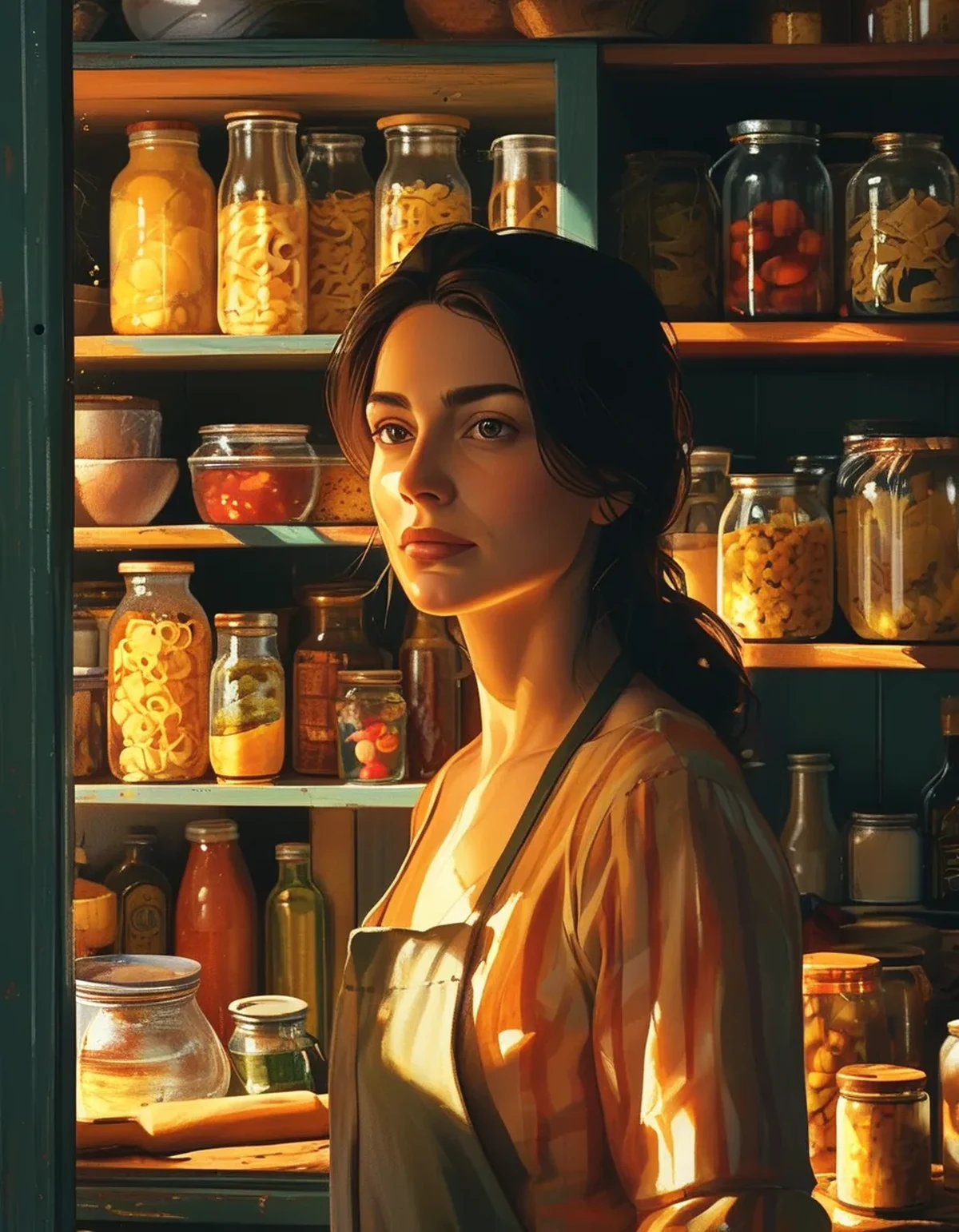
Twelve items, and they cover an enormous range between them.
The base four: dried pasta, rice, tinned tomatoes, tinned beans (white beans and chickpeas are the most versatile).
The flavour four: garlic, onions, stock cubes or paste, and a hard cheese if you keep one — parmesan lasts months in the fridge and does a disproportionate amount of work.
The protein two: tinned fish (tuna, sardines, anchovies) and eggs. Eggs are technically fridge items but they last weeks and are the single most useful thing in a low-supply kitchen.
The finishers two: a good olive oil and an acid — lemon juice, red wine vinegar, or both.
Worth adding if you can: dried chilli flakes, tomato paste, coconut milk, frozen peas and frozen spinach. Frozen vegetables are the most underrated pantry item in existence — nutritionally comparable to fresh, they keep for months, and they solve the no-vegetables problem entirely.
Total cost to stock from nothing: roughly $45 to $60, and most of it lasts six months or more. That is the price of two delivery orders and it prevents a dozen of them.
The principle underneath all of this: fat, salt, acid and something with texture. Any pantry dinner that has all four tastes intentional. Any that is missing acid tastes flat, which is the most common failure.
The five dinners
1. Pasta e ceci (pasta with chickpeas). Soften an onion and garlic in olive oil. Add a spoon of tomato paste, cook it out for a minute. Add a tin of chickpeas with its liquid, a tin of tomatoes, and stock. Simmer, add small pasta, cook until done. Finish with olive oil and black pepper. 25 minutes, and it is genuinely one of the best cheap dinners there is.
2. Spaghetti aglio e olio with anchovy. Garlic sliced thin, gently fried in a generous amount of olive oil with chilli flakes and two anchovy fillets, which dissolve completely and leave savoury depth rather than fishiness. Toss with spaghetti and a splash of pasta water. 12 minutes. The most reliable dinner on this list.
3. Tuna and white bean stew. Onion, garlic, tinned tomatoes, white beans, simmered for fifteen minutes, then flaked tuna stirred through at the end with lemon juice and olive oil. Serve with anything — rice, bread, or on its own. 20 minutes.
4. Coconut chickpea curry. Onion, garlic, whatever spices you have (curry powder is fine), tin of chickpeas, tin of coconut milk, handful of frozen spinach. Simmer twenty minutes, finish with lemon. Serve over rice. 25 minutes and it improves the next day.
5. Egg fried rice with frozen vegetables. Cold cooked rice is best but not essential. Hot pan, scramble two eggs and remove, fry frozen peas and sweetcorn, return rice and eggs, soy sauce, sesame oil if you have it. 10 minutes and it uses the most common thing anyone actually has.
What Nobody Tells You About Cooking From the Pantry
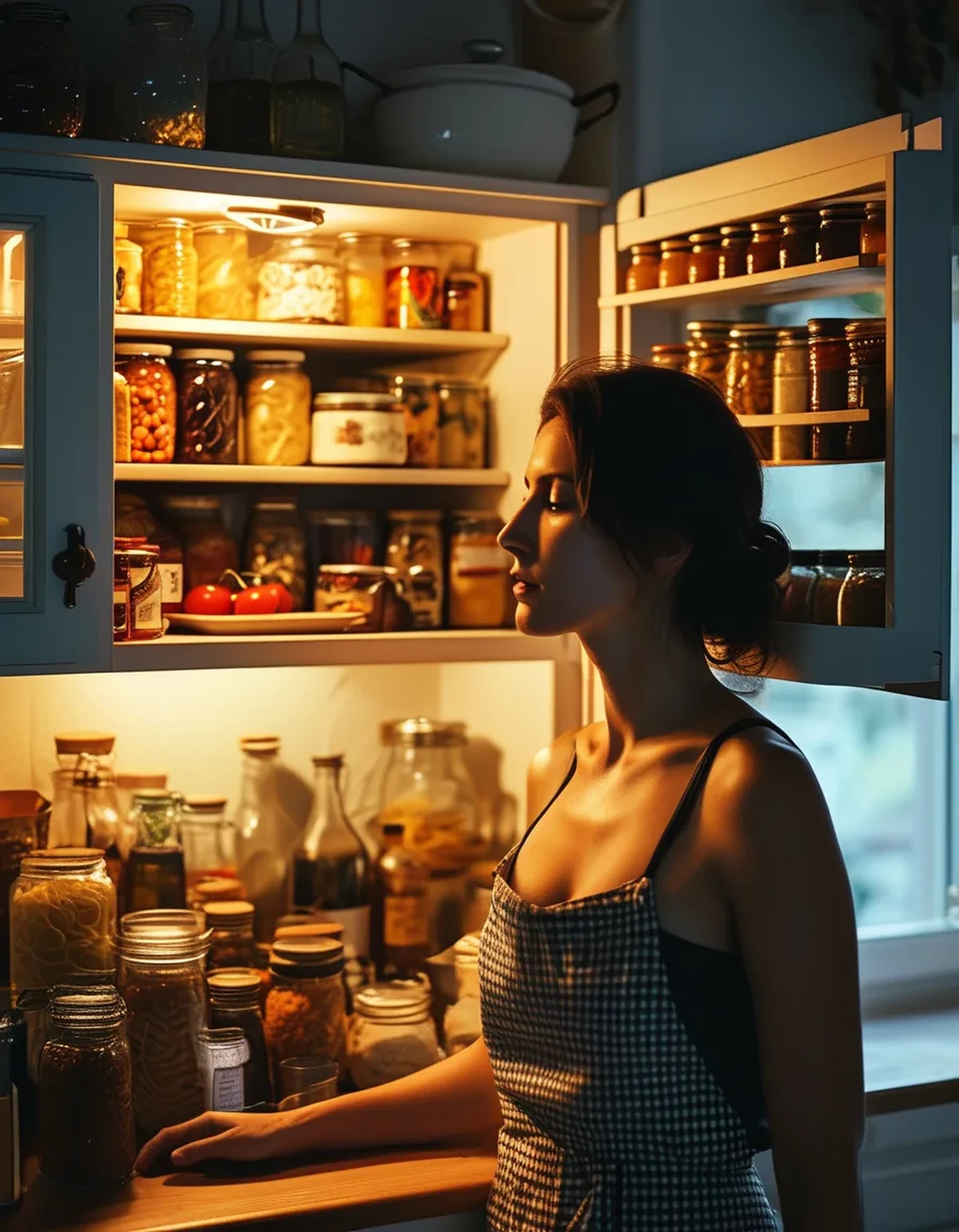
Four things that make the difference between edible and good.
Bean liquid is an ingredient, not waste. The starchy liquid in a tin of chickpeas or white beans thickens a sauce and adds body. Draining and rinsing is right for salads and wrong for stews. This single change improves pantry cooking more than any other.
Tomato paste needs to be cooked. Adding tomato paste to liquid gives you a raw, slightly metallic taste. Frying it in oil for 60 to 90 seconds until it darkens transforms it into something deeply savoury. This is the step almost every home cook skips and it is the largest single upgrade available.
Anchovies are not fishy. Two fillets melted into hot oil disappear entirely and leave savoury depth that reads as meatiness. People who are certain they hate anchovies routinely eat and enjoy dishes made this way. A tin costs almost nothing and lasts months in the fridge once opened, covered in oil.
Acid at the end, always. Pantry ingredients are cooked, preserved and salt-heavy, which flattens flavour. A squeeze of lemon or a splash of vinegar stirred in off the heat is the difference between a dish tasting like tinned food and tasting like cooking. If a pantry dinner tastes dull, it is almost always missing acid rather than salt.
Seasonal note: as evenings cool through September, the stew and curry options become considerably more appealing than they were in August, and the pantry becomes a more natural default. This is a good few weeks to restock — it is also when supermarkets discount summer stock and bring in the autumn range.
How do you avoid eating the same three things?
The variety problem is real and it has a structural solution rather than a recipe solution.
Rotate the format, not the ingredients. The same tin of chickpeas can be a stew, a curry, a pasta sauce, roasted and crisped as a topping, or blended into a dip. Learning five formats gets you further than buying five new ingredients.
Keep three condiments that change everything. Chilli crisp, harissa, and a good mustard will take the same base ingredients in three completely different directions. Condiments are the cheapest possible variety and they last for months.
Buy one interesting thing per shop. Not a whole new cuisine — one item. A jar of preserved lemons, a bag of dried mushrooms, a tin of smoked paprika. Over a couple of months this quietly expands what your pantry can do without any single expensive shop.
Frozen is your fresh. The reason pantry dinners get repetitive is the absence of vegetables. A freezer with peas, spinach, sweetcorn and broccoli removes that limitation almost entirely, and frozen vegetables are frequently better than the tired fresh ones at the back of the drawer.
Accept the repetition on the worst nights. The point of a pantry dinner is that it happens on the night when nothing else was going to. A slightly repetitive dinner you cooked beats an interesting one you ordered, for both cost and how you feel afterwards.
FAQ: Pantry Dinner Questions, Answered
How long do pantry staples actually last?
Tinned goods are typically good for two to five years and are usually safe well beyond the printed best-before date, which is a quality marker rather than a safety one. Dried pasta and rice last years. Oils go rancid faster than people expect — six months after opening for olive oil stored near a hob.
Is tinned food less nutritious?
Generally no, and in some cases the opposite. Tinned tomatoes have more available lycopene than fresh. Tinned fish retains its omega-3 content and the softened bones in sardines add calcium. The main watch-outs are added salt and added sugar, both of which are avoidable by reading the label.
What if I have no onions or garlic?
They are the biggest loss, since they carry most of the base flavour. Garlic powder and onion powder are legitimate substitutes for exactly this situation, and worth keeping for it. Failing that, lean harder on the condiments.
Can I make these gluten-free or vegan?
Most are naturally close. Swap pasta for rice or gluten-free pasta; the chickpea, coconut curry and fried rice options are vegan as written or with the egg omitted. The anchovy pasta is the one that does not adapt.
How much money does this actually save?
A pantry dinner runs roughly $2 to $4 per serving. A delivered meal is commonly $18 to $30 after fees and tip. Replacing two delivery nights a week with pantry dinners saves somewhere in the region of $150 a month, which is more than the annual cost of stocking the shelf.
TL;DR:
- Twelve pantry items produce dozens of dinners; the ones doing the work are tinned tomatoes, beans, tinned fish, pasta, stock, garlic, onion and an acid.
- Five reliable dinners: pasta e ceci, aglio e olio with anchovy, tuna and white bean stew, coconut chickpea curry, egg fried rice.
- Cook the tomato paste. Keep the bean liquid. Finish with acid. Those three habits do most of the improving.
- Frozen vegetables solve the variety problem better than any new recipe.
The empty fridge is not usually an ingredient problem, it is a decision problem at the end of a long day. Stock the shelf once and the decision gets made for you.
Keep Reading
This article is for general informational purposes only and is not medical advice. Always consult a qualified health professional for guidance specific to you.