The Sheet-Pan Formula: One Tray, Endless Dinners, Zero Drama
The sheet-pan dinner is weeknight cooking’s best idea — protein and vegetables roasting together while you do anything else — sabotaged only by timing mistakes that deliver burnt broccoli beside raw chicken. The formula that fixes it, plus five combinations that cover the week.
The Timing Matrix
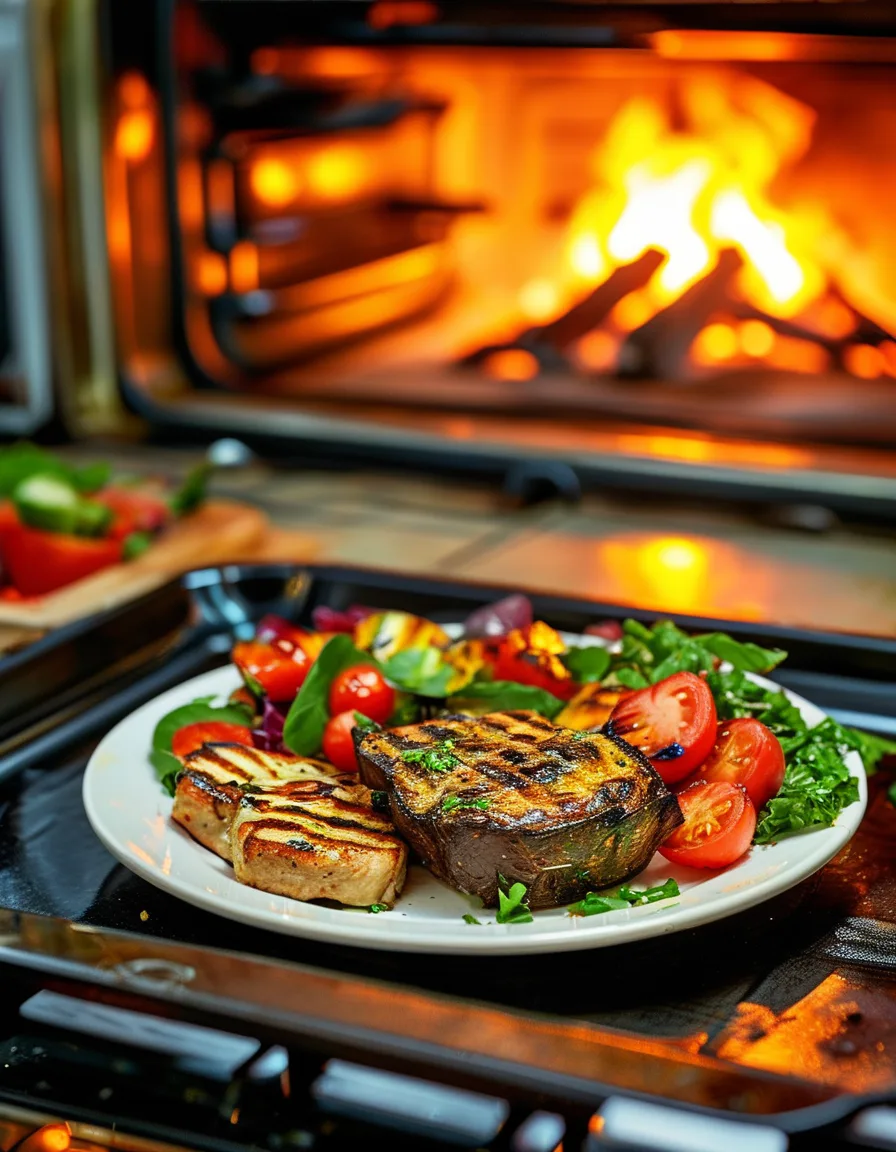
The formula’s one skill: ingredients join the tray by cook-time, not all at once (the 40-minute tier — potatoes, carrots, whole chicken thighs — starts first; the 20-minute tier — broccoli, peppers, salmon — joins halfway; the 10-minute tier — asparagus, shrimp, halloumi — joins last; the burnt-and-raw tray is a scheduling error, not a recipe flaw), the size-equalizer trick (cutting slow vegetables smaller and fast ones bigger converges their timelines — the knife does the scheduling), and the crowding law (one layer, space between — the crowded tray steams instead of roasts; two trays beat one pile, always).
The Seasoning Systems
Flavor without recipes: the oil-salt-heat baseline (everything tossed in enough oil at 200-220°C — the browning that IS the flavor; under-oiled and under-heated trays produce the sad beige that gives the genre its bad name), the spice-blend rotation (the five-jar system: the smoked-paprika-garlic default, the cumin-chili taco night, the italian-herb toss, the curry-powder direction, the za’atar finisher — one blend per tray, rotated weekly), the finish layer (the post-oven brightness — lemon squeeze, yogurt drizzle, the herb shower; the thirty-second finish separates dinner from cafeteria), and the sauce-on-the-side doctrine (the tahini, the chimichurri-ish, the sriracha-mayo — trays stay simple, sauces carry variety).
The Five Formulas
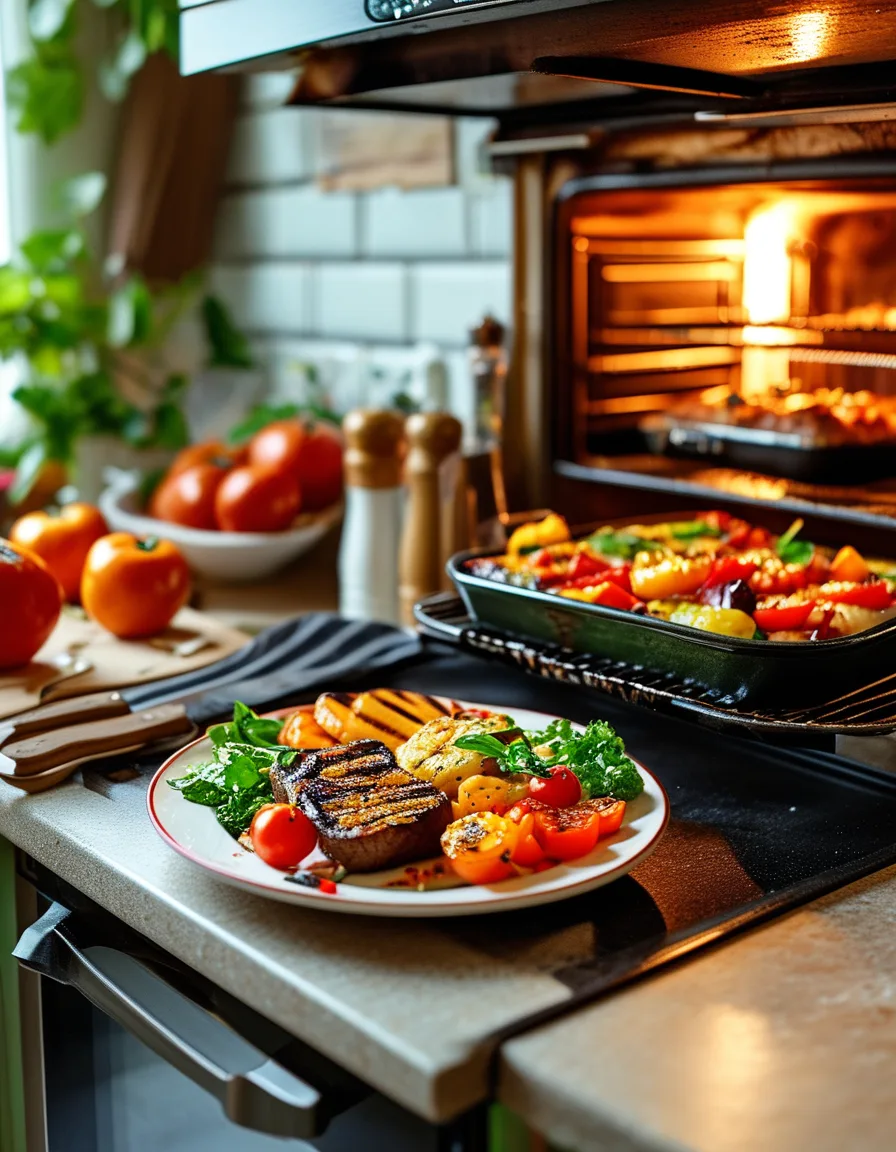
The rotation: the chicken-thigh classic (thighs + potatoes first, broccoli joins at halftime — the forgiving flagship), the salmon Tuesday (sweet-potato head start, salmon-and-asparagus final 12 minutes — the anti-inflammatory dinner on autopilot), the sausage-and-peppers (the everything-at-once exception — similar timelines make it the laziest legal tray), the halloumi-vegetable vegetarian (the cheese that roasts like a champion joins last — the meatless tray with actual gravity), and the shrimp-taco tray (peppers-and-onions roast, shrimp joins for the final eight, tortillas and toppings do the rest — the tray that eats like an event).
The System Around the Tray
The habits that compound: the parchment-or-foil lining (the cleanup that takes ten seconds — the genre’s entire retention secret), the double-tray batch move (tonight’s dinner plus tomorrow’s grain-bowl toppings roast simultaneously — the meal-prep hitchhiking on dinner), the freezer-bag prep tier (proteins pre-seasoned in bags — the tray assembles from the freezer on the worst nights), and the vegetable-drawer amnesty (the sheet pan is where the aging vegetable drawer redeems itself — the half-pepper and the soft-ish zucchini roast into legitimacy; the tray is a zero-waste engine wearing a dinner’s clothes). One tray, one matrix, five formulas: the weeknight, solved at 220 degrees.
Stagger by cook-time, one layer only, five spice jars, line the tray. The sheet pan is a scheduling skill wearing a recipe’s clothes — master the matrix and dinner makes itself.
Keep Reading
This article is for general informational purposes only and is not medical advice. Always consult a qualified health professional for guidance specific to you.